

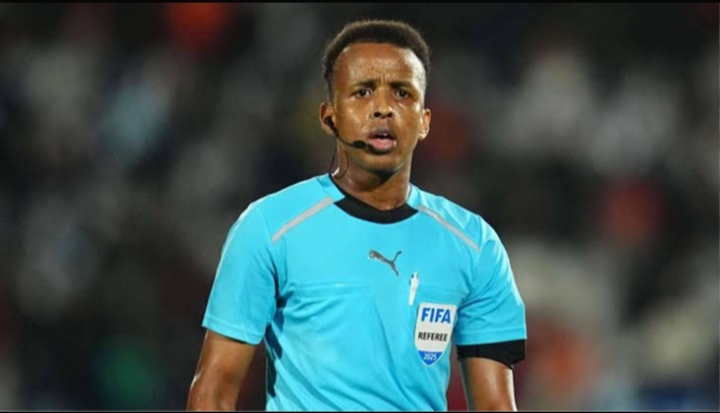
A highly regarded Somali referee, Omar Abdulkadir Artan, is reportedly set to miss the upcoming FIFA World Cup after being denied entry into the United States, despite being officially selected for the tournament.
According to reports, Artan was stopped at Miami International Airport upon arrival and subjected to additional immigration screening. Although he was said to have a valid visa, U.S. authorities allegedly refused him entry following what was described as further vetting checks. He was later sent back, preventing him from joining the competition.
FIFA is understood to have confirmed that it cannot interfere with immigration decisions made by the host nation, meaning the referee’s participation in the tournament has effectively been cancelled.
Topic: How visa and immigration issues can affect global sports events
This situation highlights a broader issue in international sports: the impact of travel restrictions and immigration policies on players, officials, and fans. Even when individuals are selected by governing bodies like FIFA, entry into host countries still depends on national border rules.
In cases like this, logistical and political considerations can sometimes override sporting arrangements, leading to unexpected absences at major tournaments.
Why this matters
The referee was widely seen as one of Africa’s top officials and was expected to make history as part of the World Cup refereeing team. His exclusion has sparked discussion about fairness, consistency in visa approvals, and how global sporting bodies manage participation when host country regulations intervene.
Wider implications
Such incidents are not isolated. International tournaments often face challenges involving visa delays, travel bans, or enhanced security screening for certain nationalities. These issues can affect tournament planning, team preparation, and the overall inclusiveness of global competitions.
Final thought
While the World Cup is designed to bring nations together through football, this case shows how external factors especially immigration policies can still shape who ultimately gets to participate on the world stage.