

Introduction
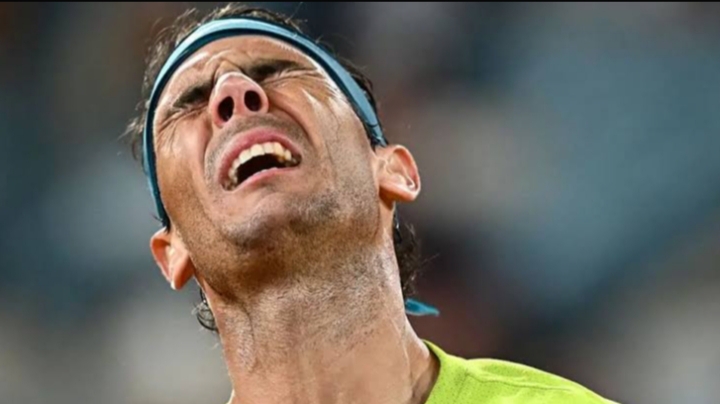
Rafael Nadal is widely regarded as one of the greatest tennis players of all time, with 22 Grand Slam titles to his name. However, behind this success lies a career heavily affected by injuries. Nadal has often spoken about how physical setbacks shaped his journey and influenced both his performance and longevity in the sport.
Physical Strain from His Playing Style
Nadal’s intense and physically demanding style of play has been central to his dominance. His powerful spin, explosive movement, and relentless energy on court helped him achieve success across all surfaces, particularly at the French Open. However, this approach also placed significant pressure on his body, especially his knees, wrists, and feet.
Over the years, the constant physical load contributed to repeated injuries that occasionally disrupted his rhythm and forced him to take breaks from competition.
Injury Challenges Throughout His Career
During his career, Nadal experienced several major injury setbacks, including recurring knee problems, abdominal strains, and foot issues. These injuries often sidelined him for weeks or even months, affecting his ability to maintain continuous form on the tour.
Despite these difficulties, he consistently made strong comebacks, often adjusting his training methods and schedule to better manage his fitness.
Mental Toughness and Recovery
Nadal has highlighted that dealing with injuries required not only physical recovery but also strong mental resilience. The process of stepping away from competition and rebuilding fitness was mentally demanding.
Instead of allowing setbacks to define his career negatively, he adapted his preparation and playing approach to prolong his success at the highest level.
Achievements Amid Difficulties
He has acknowledged that winning 22 Grand Slam titles came with significant sacrifice. Each achievement was accompanied by periods of pain, rehabilitation, and determination to return to top form after injury layoffs.
His career reflects the balance between pushing physical limits and managing long-term health in elite sport.
Legacy and Perspective
In reflection, Nadal’s experience shows that his success is not only about talent and victories but also about resilience in the face of repeated setbacks. His ability to remain competitive despite ongoing injuries has become a defining part of his legacy.
Conclusion
Rafael Nadal’s 22 Grand Slam titles represent both exceptional achievement and years of physical struggle. His reflections on injuries reveal the sacrifices behind his success and highlight the endurance required to sustain a career at the highest level of professional tennis.