

Introduction
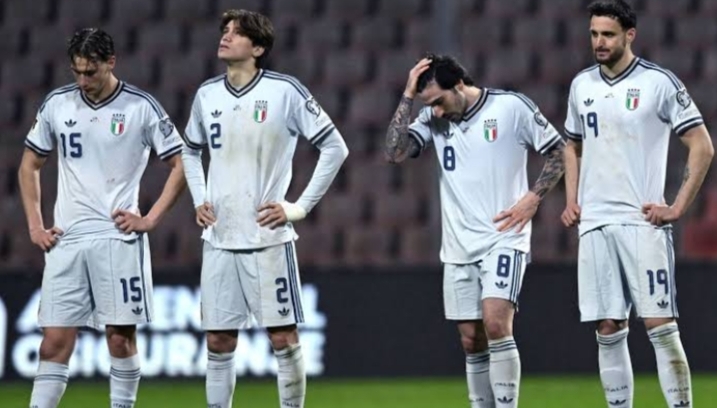
Italian football, once known for its strength and success on the international stage, is currently experiencing one of the most challenging periods in its history. After failing to qualify for a third consecutive , the has encountered another serious setback. This situation has raised widespread concern among fans, analysts, and football officials about the direction and future of Italian football.
A Fall from Former Glory
Italy has traditionally been one of the strongest nations in world football, winning four World Cup titles and producing many legendary players. However, repeated failures to qualify for the tournament represent a significant decline from its historic achievements.
For a country with such a rich football heritage, missing several World Cups in succession is deeply disappointing. The absence from football’s biggest competition has affected national pride and highlighted the growing gap between Italy and other leading football nations.
Continued World Cup Absence
Failing to qualify once again suggests deeper problems within the national team structure rather than temporary poor performance. Qualification campaigns have exposed issues such as lack of consistency, limited squad depth, and difficulty adapting to the modern style of international football.
Competition within tournaments has become increasingly intense, and Italy has struggled to secure crucial victories needed for qualification.
Another Heavy Blow
Beyond missing the tournament, the team has faced additional challenges that have worsened the situation. Leadership uncertainty, criticism directed at football authorities, and concerns about the development of young players have added pressure on the national setup. Injuries to important players and uneven performances at club level have also contributed to instability.
These challenges have increased demands on the to introduce meaningful reforms aimed at rebuilding the national team.
Underlying Causes
Several long-term issues appear to be contributing to Italy’s struggles:
- Youth Development Issues: Many young Italian players lack consistent playing opportunities at top clubs.
- Changing Tactical Demands: Modern football’s emphasis on speed and attacking play has challenged traditional approaches.
- Domestic League Concerns: Although remains competitive, fewer local players are gaining regular exposure.
- Coaching Instability: Frequent managerial changes have prevented continuity and long-term planning.
Effects on Italian Football
The impact of repeated World Cup absences goes beyond results on the pitch. It reduces international recognition, commercial opportunities, and global influence. It may also affect fan engagement, especially among younger generations who follow more successful teams.
Players also lose valuable experience gained from competing at major international tournaments, making rebuilding more difficult.
Reasons for Optimism
Despite the difficulties, Italy still possesses a strong football tradition and passionate support base. Investments in youth development, improved coaching systems, and better coordination between clubs and national authorities could help restore competitiveness.
Past achievements show that Italian football has the ability to recover and reinvent itself during difficult periods.
The Path Forward
Rebuilding will require long-term planning rather than immediate solutions. Focusing on developing young talent, modernizing tactical approaches, and strengthening collaboration within the football system will be essential for future success.
Upcoming qualification campaigns provide an opportunity for renewal and a chance to rebuild confidence.
Conclusion
Italy’s failure to qualify for a third consecutive World Cup, combined with further setbacks, marks a critical moment for the nation’s football future. While the situation exposes serious challenges, it also offers an opportunity for reform and growth. With careful planning and renewed commitment, Italy can work toward returning to the top level of international football and restoring its proud legacy.