

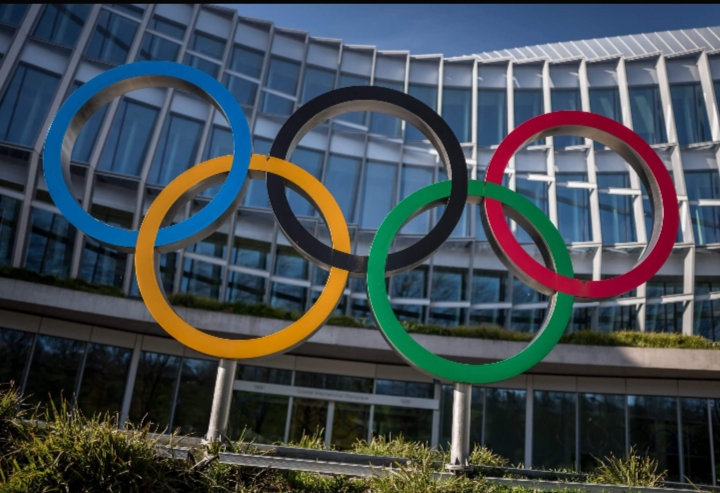
The International Olympic Committee (IOC) has announced a new policy that restricts participation in women’s Olympic events to athletes who are biologically female. Starting with the 2028 Los Angeles Olympics, only athletes who do not carry a Y chromosome will be eligible to compete in female categories. This marks a significant change in the way gender eligibility is defined in elite sports.
Key Details of the Policy
Under the new rules, athletes must undergo a genetic test to determine the presence of the SRY gene, which is linked to male biological development. Individuals who test positive, including many transgender women and some athletes with certain intersex conditions, will not be allowed to compete in women’s events. Exceptions are made for rare medical conditions, such as Complete Androgen Insensitivity Syndrome, where an athlete is genetically XY but develops female physical characteristics.
The IOC has stated that the policy aims to ensure fairness and safety in elite competition, noting that male-level physiological advantages in strength, endurance, and power cannot be fully mitigated through hormone treatments.
Reactions to the Decision
The announcement has generated strong reactions globally. Supporters argue that it protects the integrity of women’s sports by ensuring competitors have comparable biological characteristics, especially in elite events where small differences can impact outcomes. Some national committees have expressed support and pledged to implement the guidelines carefully.
Critics, however, describe the move as discriminatory and ethically problematic. Human rights advocates and legal experts argue that genetic testing raises privacy concerns, stigmatizes athletes, and excludes many intersex and transgender competitors unfairly. Governments and organizations have also expressed concerns about the policy’s compatibility with national laws and bioethics standards.
Historical Context
Sex verification in elite sports has a long and controversial history, evolving from physical exams to hormone-based testing. The IOC’s new rules represent the most stringent biological criteria in decades, reflecting a renewed focus on standardizing eligibility across all Olympic events.
Looking Ahead
The policy will be phased in before the 2028 Olympics, giving athletes and sporting bodies time to adjust. While it applies to Olympic and IOC-sanctioned competitions, it does not automatically extend to recreational or grassroots sports. The full impact on global athletics, legal challenges, and inclusion efforts will continue to develop as stakeholders engage with the new rules.