

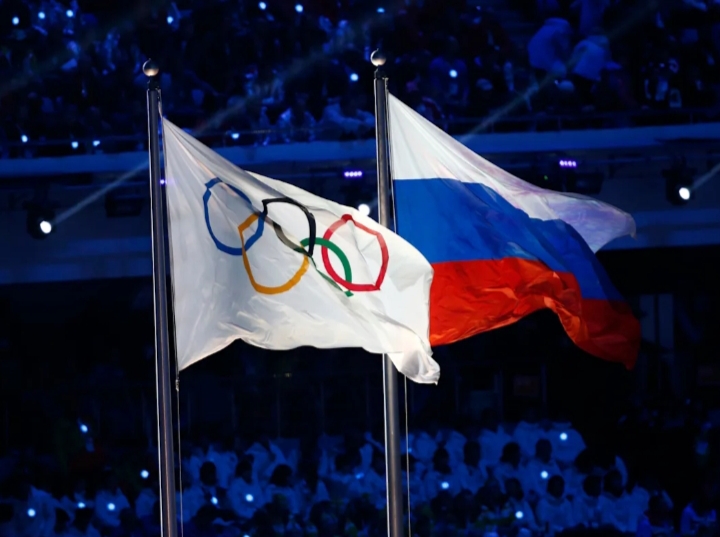
The lead-up to the 2026 Winter Paralympic Games in Milan Cortina has been overshadowed by political tension following the decision to bar Russia and Belarus from full participation. The move, confirmed by the International Paralympic Committee (IPC), has reignited debate about the intersection of sport and geopolitics as the conflict in Ukraine continues.
Russia and Belarus have faced restrictions in international sport since 2022, when both countries were sanctioned following Russia’s invasion of Ukraine and Belarus’s support of Moscow’s military actions. Their National Paralympic Committees were suspended, preventing athletes from competing under their national flags.Despite discussions in recent months about possible reinstatement, the IPC ultimately maintained its firm stance for the 2026 Winter Paralympics in Milan and Cortina d’Ampezzo. As a result, athletes from Russia and Belarus will not compete as official national representatives at the Games.
The decision reflects the IPC’s position that the ongoing geopolitical situation remains incompatible with full reintegration into the Paralympic movement.
Political Reaction and Division
The ruling has drawn mixed responses. Ukrainian officials welcomed the decision, arguing that allowing Russia and Belarus to return while the war continues would undermine the values of fairness and peace central to the Paralympic movement.
Conversely, critics of the ban argue that athletes should not be penalized for actions taken by their governments. Some believe individual competitors many of whom have trained for years for the Games are being unfairly deprived of an opportunity to compete on the world stage.The controversy has once again exposed the difficult balance international sporting bodies must strike between neutrality and moral responsibility.
Broader Implications for Global Sport
The situation underscores a broader question facing global sport: Should major competitions remain politically neutral, or should they take firm positions in response to international conflicts?
The Paralympic Games are widely regarded as a celebration of resilience, inclusion, and unity. For some, excluding Russia and Belarus protects those principles. For others, it highlights the growing challenge of separating sport from politics in a deeply divided world.
As the 2026 Winter Paralympics approach, attention will not only be on athletic performance but also on how the international community continues to navigate the complex relationship between sport and global affairs.